On this page
One game makes your friend a small marker on a ship’s monitor. The other puts an awkwardly large painting in front of their face.
Both images say something useful about playing together. In Lethal Company, the interesting distance is between the person inside the facility and the person reading another view of it. In R.E.P.O., it can be the few centimetres between the valuable object and the doorway.
Our starting choice: look at Lethal Company if the group likes exploring, reporting back and deciding when to return. Look at R.E.P.O. if physically handling a precarious load sounds entertaining before any monster arrives. For five or six people in an unmodified session, R.E.P.O. also has the capacity advantage.
This comparison draws on the official Lethal Company trailer and developer commentary, alongside our analysis of a recorded R.E.P.O. haul. It is a choice between activities, not a ranking based on personal playtime.
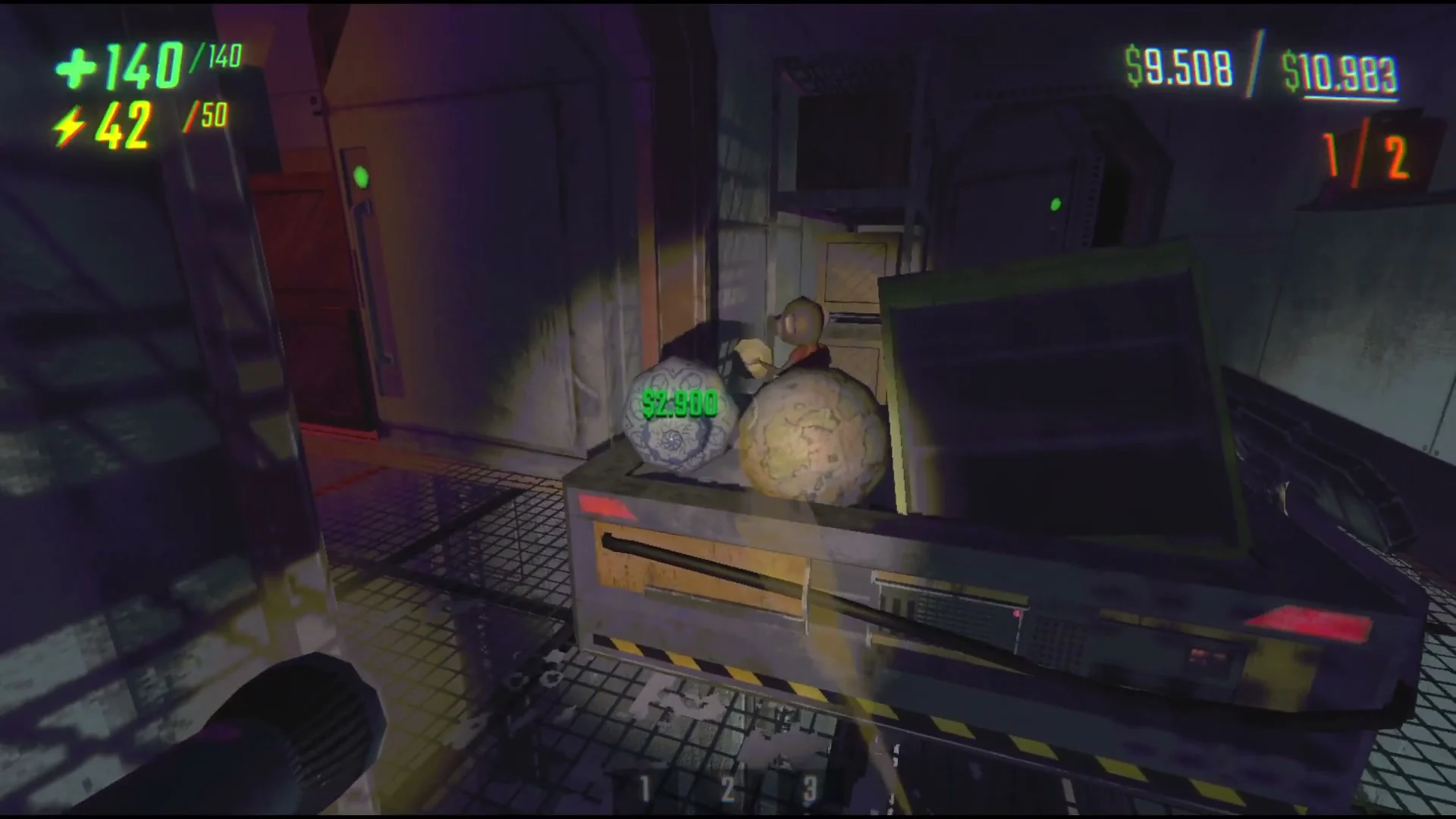
What will your friends do between the scares?
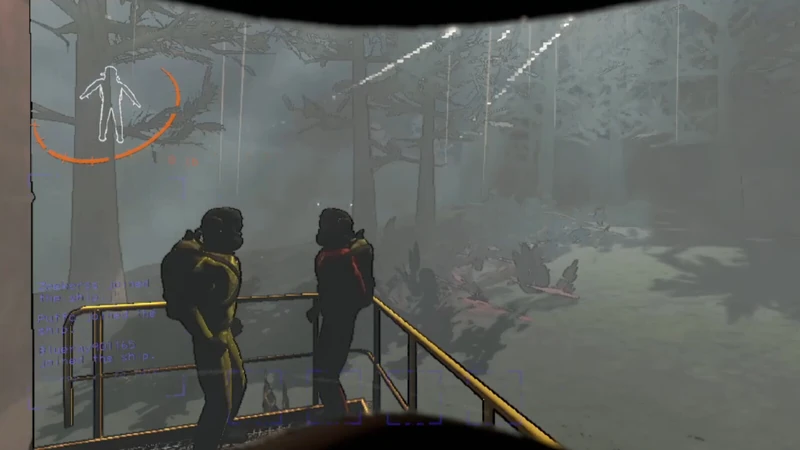
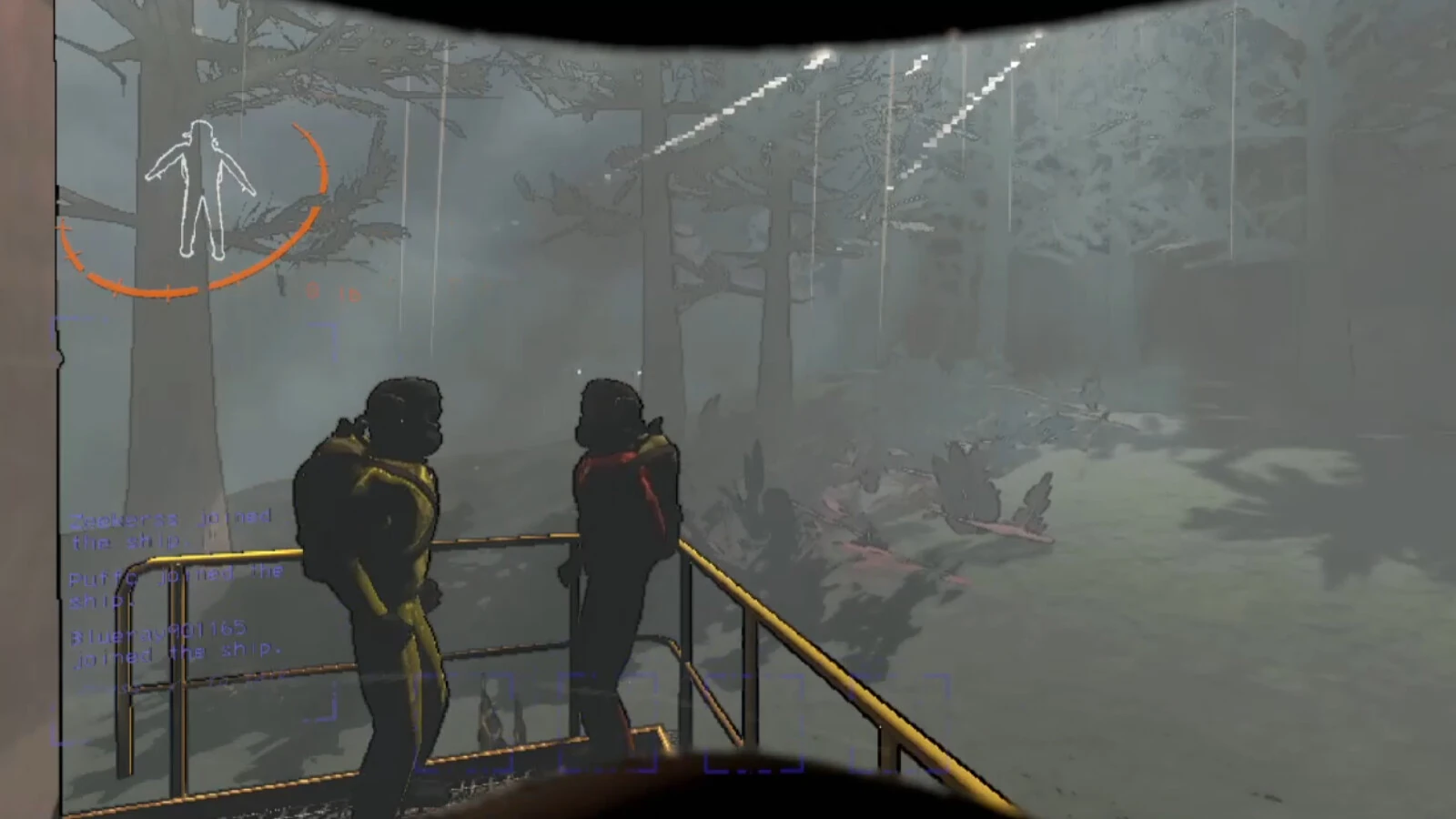
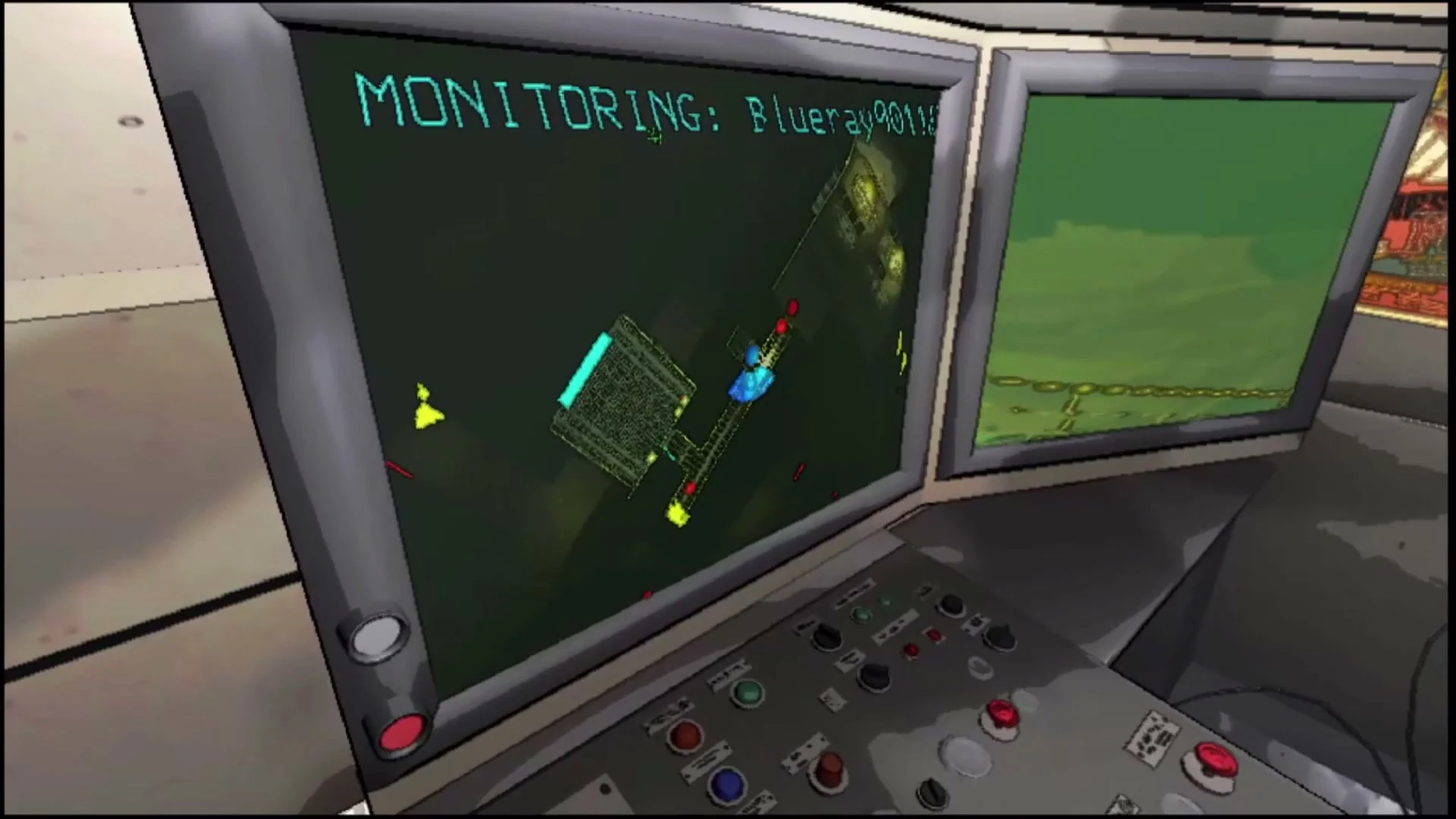
Lethal Company’s trailer cuts from flashlight-lit workers to a ship monitor showing a facility and small coloured markers. Those two views make the information gap tangible. The developer describes a ship operator who can guide the crew and interact with doors remotely.
There is something appealing about helping someone navigate a place you are not standing in. The conversation has a purpose. It also needs patience: a direction that seems obvious from above may feel less obvious in a dark corridor.
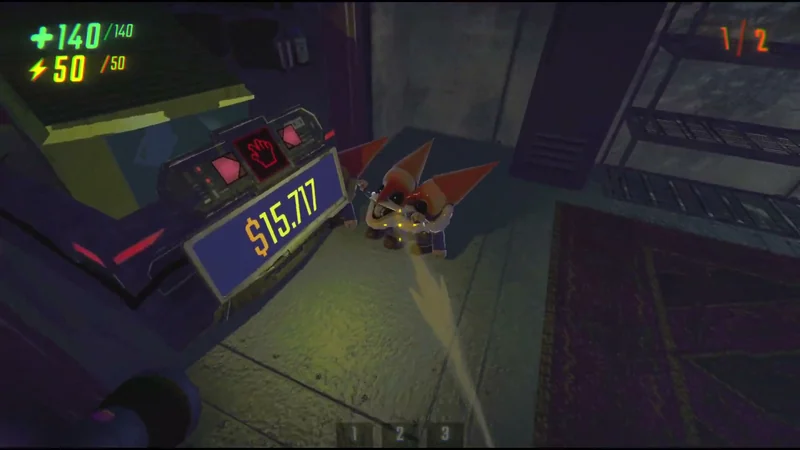
R.E.P.O.’s painting sequence starts the shared problem much closer to the player. Carrying the object takes up the view; clearing the doorway becomes part of the work. Later, a tiny intruder reaches the cart and its displayed total falls from $15,717 to $13,649.
The useful difference is where attention goes. Lethal Company asks us to notice where the crew has spread. R.E.P.O. makes us notice whether the cargo will clear the doorway. Both games involve collecting and returning; those labels alone would miss the reason to choose between them.
The developer noticed the carrying, too
There is a particularly good source for this comparison: Lethal Company’s creator has written about playing R.E.P.O.
In a March 2025 post, Zeekerss singled out the appeal of several people moving large objects while a horror encounter interrupts the careful job. That observation helps explain why “another game about collecting loot” is an incomplete description.
We use that dated observation to discuss the design, rather than to judge either game’s current balance. What are you already trying to do when the frightening thing arrives?
In the R.E.P.O. example, the loaded cart has accumulated visible value. An interruption can spoil work you have just watched happen. In Lethal Company’s trailer, the monitor makes a separated crewmate visible without bringing them physically closer. Those are different kinds of helplessness to share with friends.
Which frustration would your group forgive?
For Lethal Company, ask whether everyone likes the prospect of imperfect information. Some people enjoy giving instructions, checking a route and hearing a report from elsewhere. Others mainly want to stand beside their friends and react to the same sight. Going inside together is possible, but the ship-and-crew relationship is part of what we find distinctive.
With two players, leaving one person at the terminal means the other explores alone. With four, one operator can support three explorers. A dedicated operator is optional, but that division changes what an evening together might feel like.
For R.E.P.O., ask how your friends feel about a careful delivery losing value. The cartoonish characters do not remove that consequence. In the scene we covered, the player survives while the haul becomes less profitable.
Neither answer needs to be a personality test. Send the group the two images and ask which ordinary task they would rather do for the next few minutes. The answer may be more useful than whose highlight montage got the biggest laugh.
Settle the practical limits before buying
The current developer listings specify up to four for Lethal Company and up to six for R.E.P.O.. This comparison covers their Windows Steam releases and standard online sessions. It does not assume a modded player limit or console compatibility. Both are listed as Early Access at our check on October 16, 2026.
Use the side-by-side group check if the number of friends may change. A four-person shortlist becomes a different decision when a fifth person joins the chat.
The recommendation we would send
For two to four friends drawn to a divided crew, directions over distance and a return journey that matters, start by watching Lethal Company’s monitor sequence.
For friends drawn to a shared physical mishap, show R.E.P.O.’s painting and cart. If you regularly have five or six players, start there on capacity grounds too.
Still undecided? Ask this: would tonight’s best story begin with a bad direction, or a badly handled delivery? That gives your friends an actual evening to picture before anyone reaches for the buy button.
Check the pair side by side.
Put Lethal Company and R.E.P.O. next to each other: players, platforms, compatibility and the kind of evening each offers.
Compare these two gamesThese are editorial starting points drawn from our linked scene analyses and official game information. We have not assigned review scores or claimed hands-on testing. The individual game pages identify recording dates, creators, source types, rights notes, check dates and limits. Our editorial method.