On this page
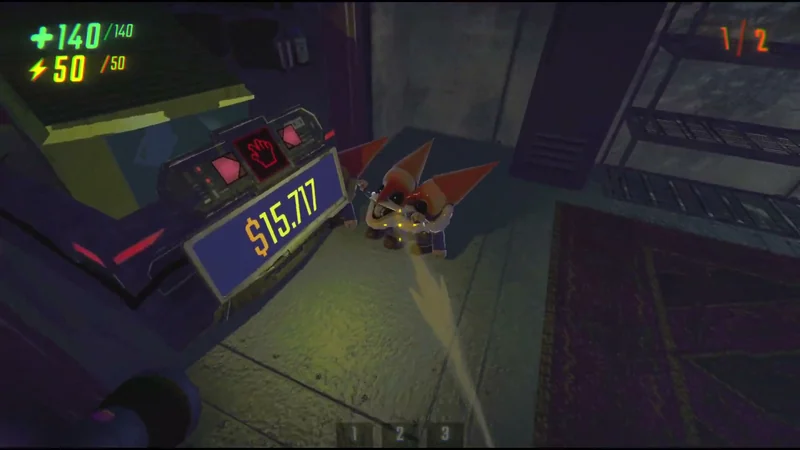
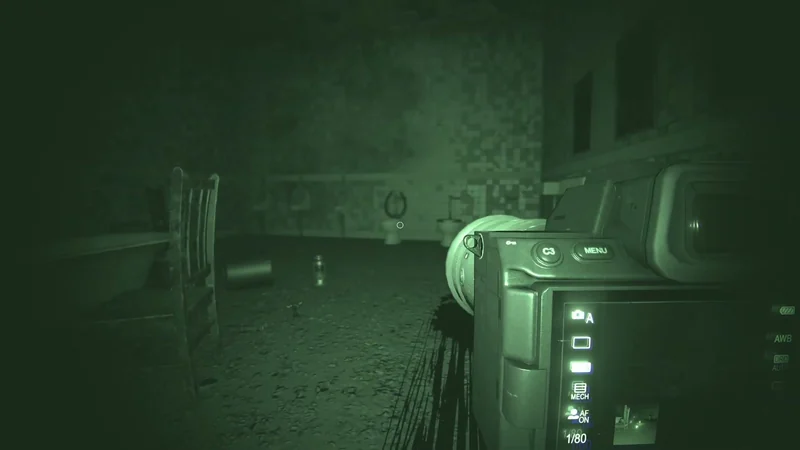
A small creature reaches the cart and its value starts falling. A camera rises in front of a ghost. Coloured scan lines cross a room the team still cannot see clearly.
All three moments belong to horror games. Only one asks you to worry about a delivery bill.
R.E.P.O., Phasmophobia and GTFO give friends different things to care about before the scare arrives. The most useful comparison is what you would be doing while you wait for trouble.
The expensive mistake: R.E.P.O.
In R.E.P.O., the valuables must physically survive the trip. The archived footage gives us awkward corners, a loaded cart and a small creature beside a rapidly falling total.
That combination can turn horror into a story about a mistake. The player survives, yet the delivery goes badly. For a group that enjoys absurd coordination, the objects provide plenty of opportunities to create memorable moments.
The qualification is the same one that makes the idea interesting: damage has a consequence. Choose this direction because your group likes that possibility, not just because the characters look amusing.
The uncomfortable wait: Phasmophobia
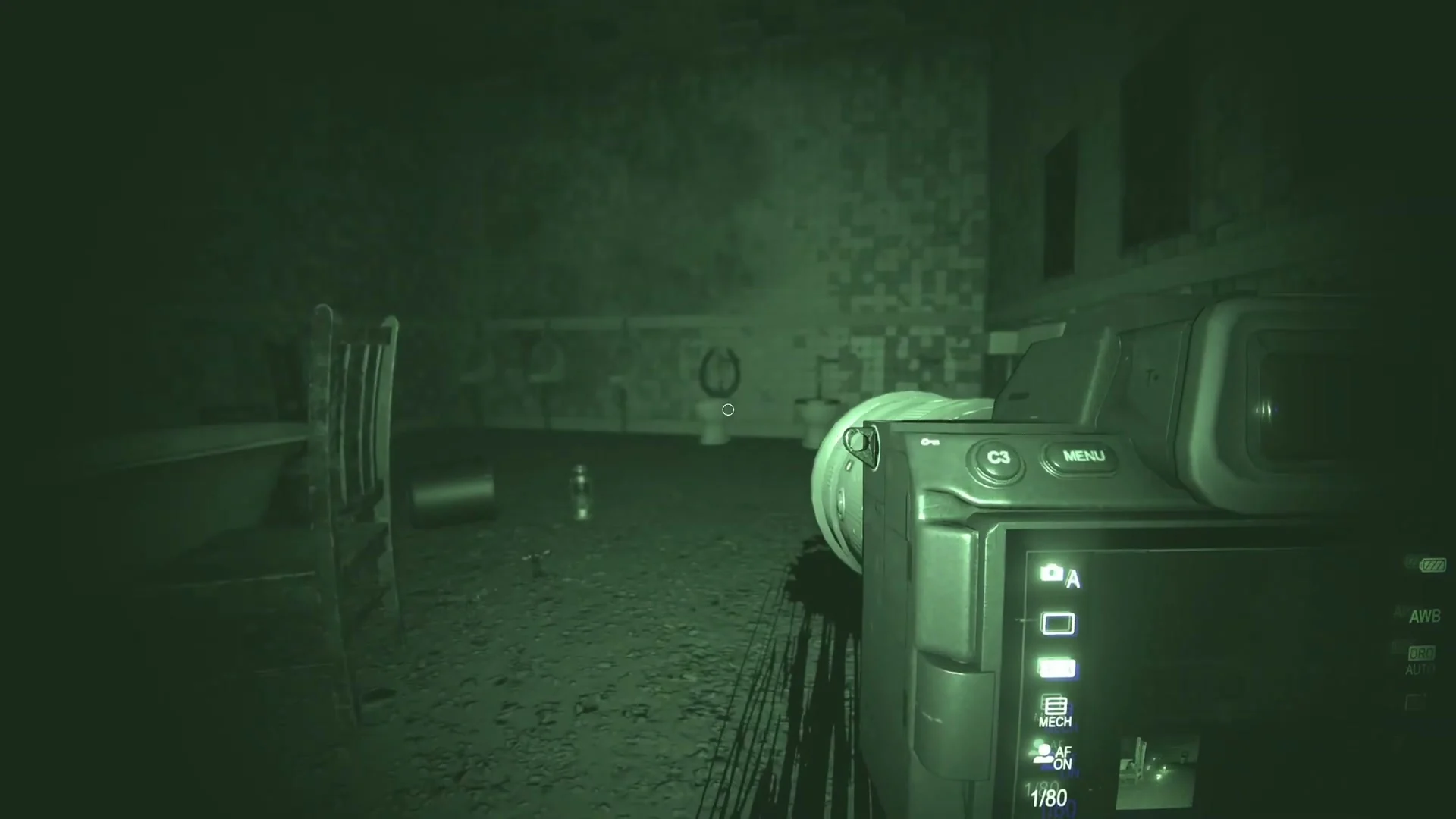
Our Phasmophobia analysis follows a solo challenge, so it does not tell us how a full group will behave. It does show a long build-up around equipment, sightlines and a short opportunity to photograph the ghost.
This is a useful direction for friends who enjoy investigation. Waiting is not merely a gap between fights; it is part of paying attention. The question for the group is whether that kind of attention sounds enjoyable after a long day.
The challenge in our example is unusually demanding. Do not treat it as the required starting experience for a beginner.
The next door: GTFO
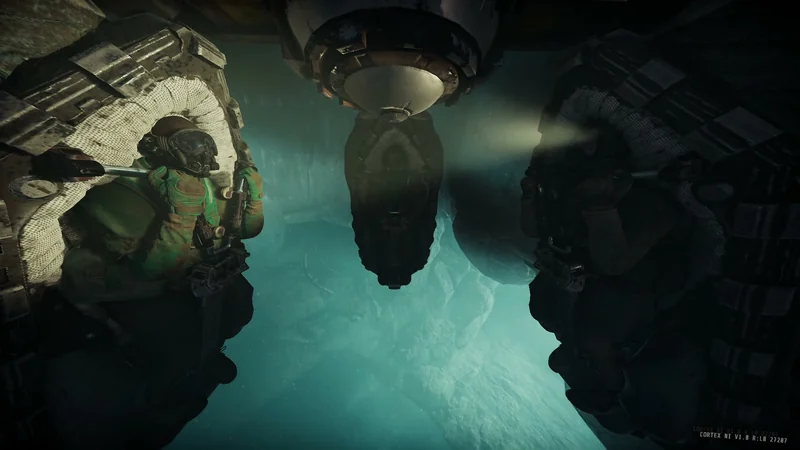
In GTFO, a flashlight gives the player only part of the room. A scan asks the group to make progress while threats still matter elsewhere. The archived expedition also contains a brief environmental change that unsettles an already established visual pattern.
This is the direction to investigate for deliberate pressure. Its official premise centres on a four-player team, dangerous creatures and limited resources. Our footage makes the uncertainty of moving forward particularly visible.
Which frustration is your group willing to share?
The attractive part and the irritating part often come from the same place. R.E.P.O.’s awkward cargo is interesting because handling it can go wrong. If your group only wants the comedy without a loss attached, the falling cart total is worth discussing.
Phasmophobia makes attention useful during the quiet stretches. A friend who dislikes waiting may experience those same stretches as a delay. Our solo challenge is extreme, so it cannot tell you how patient everyone will need to be in an ordinary contract; it can reveal whether the underlying activity appeals.
GTFO asks whether concentration itself is welcome. Limited resources and uncertain rooms can make the next decision worth talking through. For a group hoping to chat about something else, that demand may be the obstacle rather than the attraction.
Try asking everyone to finish this sentence: “I do not mind a bad outcome as long as we get to…” Carry awkward things together? Work out what happened? Make a tense plan? The answer is more useful than a vote for whichever trailer has the loudest scare.
Match the activity, then the atmosphere
Ask what your friends want to do: manage awkward cargo, interpret clues, or concentrate on a demanding expedition. Then check the current player capacity, platform and mode. Our game finder can narrow the collection, and each game page explains both the appeal and the limits of the evidence we used.
Torn between the first two? Read our R.E.P.O. vs Phasmophobia guide, or put any two games side by side to bring a shorter list back to the group chat.
These are editorial starting points drawn from our linked scene analyses and official game information. We have not assigned review scores or claimed hands-on testing. The individual game pages identify recording dates, creators, source types, rights notes, check dates and limits. Our editorial method.